When most of us think about home maintenance, we picture things we can see—mowing the lawn, painting a wall, or fixing a leaky faucet. But some of the most important upkeep happens out of sight. That’s definitely the case with your air conditioning ducts.
Cleaning your ducts is all about getting the built-up dust, debris, and other gunk out of your home’s forced-air system. It's one of those tasks that’s easy to put off, but doing it can make a huge difference in your home's air quality and how efficiently your HVAC system runs. For a light dusting, it might be a weekend DIY project. For anything more serious, you'll want to call in the pros.
Why Clean Ducts Are Your Home's Unsung Hero
It’s easy to forget about your ductwork. It’s hidden away, quietly moving air from your AC unit to every room in your house. But over time, this hidden network can become a storage unit for dust, pet dander, pollen, and all sorts of allergens.
Since the air in your home is constantly being recirculated, dirty ducts mean your HVAC system is just blowing those pollutants right back at you. This can be a nightmare for anyone with allergies or asthma, and it can cause respiratory discomfort for everyone else.
The Real-World Benefits of Clean Ductwork
Getting your ducts cleaned isn't just about having a tidier system; the benefits are real and you'll actually notice them. It’s a fundamental step toward making your home healthier and more efficient.
Here’s what you really get out of it:
- You'll Breathe Easier: Getting rid of all that accumulated dust and gunk means it’s not circulating in the air you breathe every day. If you have pets or family members with sensitive allergies, this is a game-changer. You can learn more about comprehensive solutions for https://floridacoolinggroup.com/indoor-air-quality-improvement/ and how they all work together.
- A More Efficient HVAC System: When ducts are clogged, your system has to work much harder to push air through. Think of it like trying to breathe through a stuffy nose. That extra effort uses more energy, which means higher utility bills. Clean ducts let the air flow freely, taking a load off your system.
- Longer-Lasting Equipment: An overworked HVAC system is going to break down more often and wear out faster. By keeping the ducts clean and reducing that strain, you can save yourself from expensive repair calls and maybe even push off having to replace the whole unit for a few more years.
By letting your HVAC system breathe easily, you're not just cleaning—you're making a direct investment in the health of one of your home’s most expensive appliances.
A Growing Focus on Healthy Homes
More and more, people are realizing just how much their home environment affects their health, and clean air is a huge part of that. It’s no surprise the global air duct cleaning market was valued at USD 3.87 billion in 2023 and is expected to hit around USD 5.6 billion by 2031. This isn't just a fleeting trend; it’s a clear sign that homeowners are taking indoor air quality seriously.
At the end of the day, cleaning your air ducts is just good, proactive home care. It goes beyond the immediate feeling of cleaner air. Understanding the importance of regular property maintenance shows how small tasks like this contribute to the long-term value and health of your property. It’s about creating a living space that’s safer, more comfortable, and easier on your wallet.
Telltale Signs Your Air Ducts Need Attention
Before you grab your tools, you first need to be sure the ducts are actually the problem. Most of the time, your ductwork will give you a few clues—some subtle, some not-so-subtle—that it’s time for a good cleaning.
Think of yourself as a home detective. The trick is learning to connect those everyday annoyances, like endless dust or a weird smell, to the hidden network of airways running through your home. Spotting these signs early can save you from poor air quality, high energy bills, and a struggling HVAC system down the line.
What You Can See and Smell
Often, the most obvious signs are right under your nose. These are your ductwork's loudest cries for help, and they're usually pretty easy to spot once you know what to look for.
- Dust, Dust, and More Dust: Do you feel like you're in a never-ending battle with your duster? If a fresh layer of dust settles on your furniture almost as soon as you wipe it away, your air ducts are likely the culprit, constantly circulating particles throughout the house.
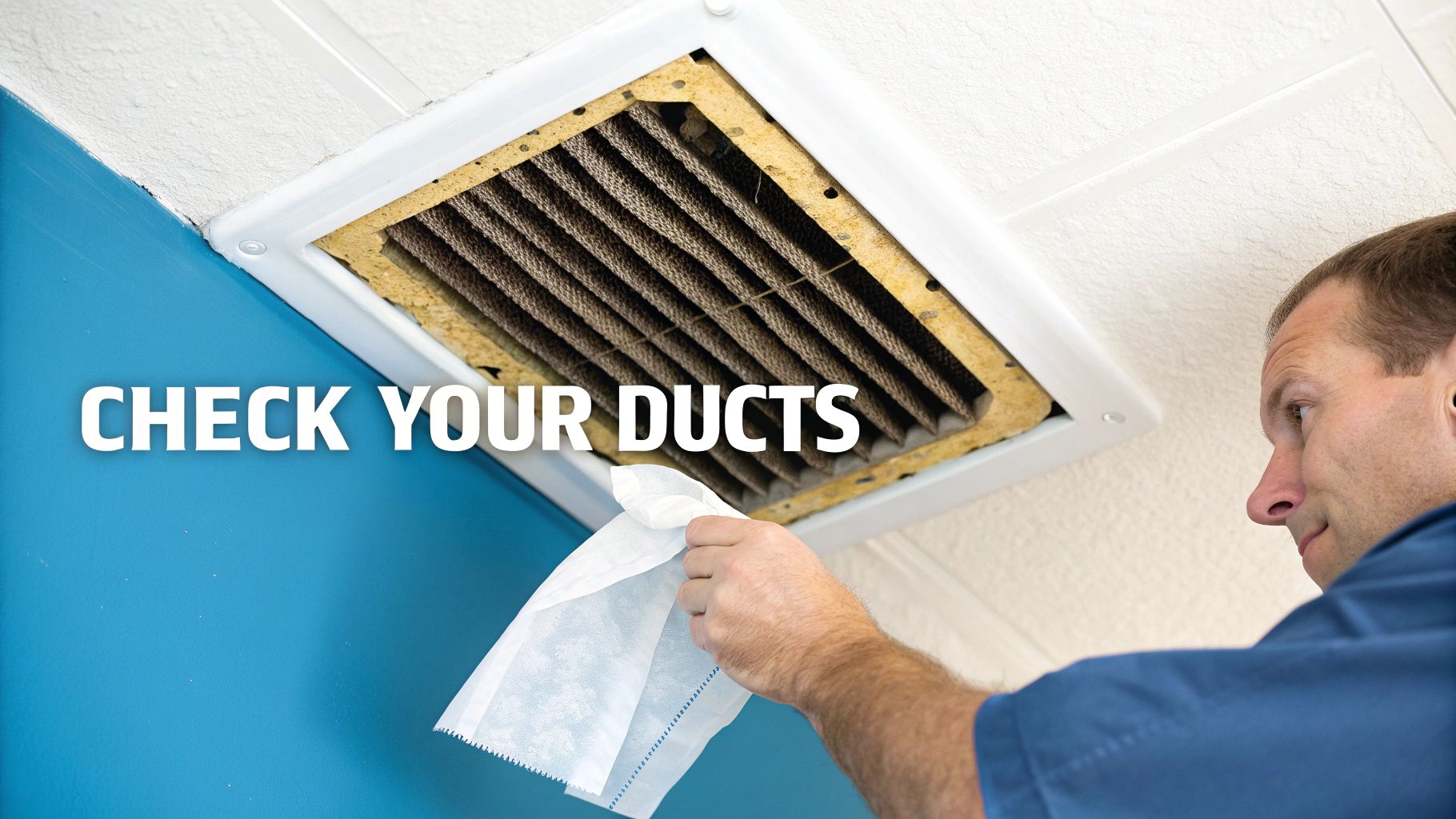
- Visible Mold or Mildew: This is a big one. Take a flashlight and peek inside your vent covers (also called registers). If you see any black, green, or fuzzy-looking patches, you're almost certainly looking at mold. It's a serious red flag that needs to be addressed immediately.
- A Musty or Stale Smell: Does a funky, musty odor hit you whenever the AC or furnace kicks on? That classic "old basement" smell is often a dead giveaway for mold, mildew, or even decomposing debris trapped in the dark, damp environment of your ductwork.
If you think you've found mold, the best thing you can do is leave it alone. Don't try to wipe it or disturb it. This can release spores into the air, which is the last thing you want. It's a clear signal to call in a professional.
Keep in mind that where you live can make a difference. In hot climates or areas with a lot of construction, sand and airborne dust can build up in HVAC systems surprisingly fast. As noted by industry experts, this trend is leading to a rising demand for regular cleanings just to keep systems running efficiently.
Performance and Health Clues
Sometimes the signs are less about what you see and more about what you feel—both in your home's performance and your family's health.
A sudden, unexplained jump in your utility bills is a classic symptom. When ducts are clogged with gunk, your HVAC system has to work much harder to push air through, which means it burns more energy. Another telltale sign is uneven heating or cooling. If one room is an icebox while another is always stuffy, you could have a blockage disrupting airflow.
Don't forget to pay attention to your family's health. Are allergies, sneezing fits, or respiratory issues suddenly worse when you're indoors? That could be a direct result of dirty ducts circulating allergens like dust mites, pollen, and pet dander. And if you find any signs of pests—like droppings or nesting materials near your vents—you can bet their debris is getting into your air supply, too.
To help you connect the dots, here's a quick checklist of common problems and what they might mean.
Air Duct Problem Indicator Checklist
Use this table to identify common signs that your air ducts need cleaning and understand their potential severity.
| Symptom | What It Looks/Smells Like | Potential Severity | Recommended Action |
|---|---|---|---|
| Excessive Dust | A constant, fine layer of dust on surfaces, even after cleaning. | Low to Medium | DIY vent cleaning first. If no improvement, consider a professional inspection. |
| Musty Odors | A damp, stale, or "dirty sock" smell when the HVAC runs. | Medium | Could be mildew. Check for visible signs. If persistent, professional cleaning is needed. |
| Visible Mold | Black, green, or white fuzzy patches inside vents or on registers. | High | Do not disturb. Call a professional HVAC or mold remediation specialist immediately. |
| Uneven Airflow | Some rooms are too hot/cold; weak airflow from certain vents. | Medium | Could be a blockage or a leak. A professional inspection is recommended. |
| High Energy Bills | A sudden, unexplained spike in heating or cooling costs. | Medium | Your system is working overtime. Have ducts inspected for blockages and leaks. |
| Pest Infestation | Droppings, nesting materials, or insect/rodent activity near vents. | High | Call a pest control expert first, then schedule a thorough duct cleaning. |
| Increased Allergies | More sneezing, coughing, or respiratory irritation indoors. | Low to Medium | Contaminants are likely circulating. A deep cleaning can often help. |
This checklist isn't exhaustive, but if you're nodding along to a few of these points, it's a pretty strong indicator that your ductwork is due for some attention.
Getting Your DIY Duct Cleaning Gear Together
Trying to clean your air ducts without the right tools is like trying to bake a cake without a pan—you’re just going to make a huge mess. Before you even think about unscrewing a single vent cover, you need to assemble your toolkit. Getting this right from the start is the difference between a satisfying weekend project and a dust-filled disaster that leaves you frustrated.
The right equipment isn't just about cleaning effectively; it's about protecting your home's ductwork. A brush that’s too harsh, for instance, can easily rip through flexible ducts, turning a simple cleaning job into a major repair bill. A little prep work now will save you a world of trouble later on.
The Heavy Lifters: Core Cleaning Tools
Let's be clear: your everyday household vacuum isn't going to cut it here. You need some serious power to pull out the gunk that's been building up in your ducts for years.
The absolute cornerstone of this operation is a heavy-duty shop vacuum. You'll need one with a long, flexible hose to reach deep into the system. And this part is critical: make sure it has a HEPA filter. Without one, you’ll just be sucking up fine dust and allergens from one spot and blasting them right back into the air you breathe.
You’ll also need a dedicated duct cleaning brush kit. These kits typically come with flexible rods you can screw together, letting you navigate the twists and turns of your ductwork. I recommend finding a kit with a few different brush heads, especially soft-bristled ones, so you don't scratch or damage the inside of the ducts.
- Long-Hose Vacuum Attachment: This is your secret weapon for extending your reach from the register opening.
- Cordless Drill or Screwdriver: A lifesaver for quickly removing all those vent cover screws. Seriously, don't do this by hand.
- Stiff-Bristled Hand Brush: This is perfect for scrubbing the caked-on dust off the vent covers themselves.
Don't Forget the Supplies and Safety Gear
Now for the smaller items that make the job go smoothly and keep you safe. Trust me, you don't want to overlook these. Inhaling years of built-up dust is no joke, so your health comes first.
Get yourself a good dust mask or respirator—an N95-rated one is your best bet—and a pair of safety goggles. Your lungs and eyes will thank you. A decent pair of work gloves is also a good idea to protect your hands from sharp metal edges.
I've seen it happen a dozen times: someone starts cleaning and ends up with a thin layer of dust covering their entire house. Before you start, grab some painter's tape and seal off the registers in all the rooms you aren't working in. This one simple trick contains the mess and stops dust from blowing out everywhere.
Keep a roll of paper towels and a few cleaning cloths nearby for wiping things down. A bright flashlight or headlamp is also incredibly helpful for getting a good look inside those dark, dusty ducts.
Little Things That Make a Big Difference
A few extra items can make this job far less of a chore. They aren't strictly required, but they'll make you feel like a pro and save you some hassle.
Bring in a small step ladder. It’ll save your back and shoulders when you’re working on ceiling vents. Also, have a garbage bag ready to go for all the gunk you clean off the vent covers.
Finally, the perfect way to finish the job is to slap a brand-new filter into your HVAC system. After all that work, the last thing you want is for a dirty filter to immediately start pushing dust back into your clean ducts. If you aren't sure what to get, taking some time to learn about different filters for air vents in home will help you make the right choice. A fresh filter is the key to making your hard work last.
Your Practical Duct Cleaning Walkthrough
Alright, you've got your gear ready, so it's time to roll up your sleeves. This walkthrough is designed to guide you through a safe and totally manageable cleaning of the parts of your ductwork you can actually reach. Let's be clear: the goal here is a noticeable reduction in dust and better airflow, not a deep, professional-grade clean.
The key is to be methodical. Rushing this job can backfire, either by making a bigger mess or, worse, damaging your ducts. Take your time and focus on doing each step right.
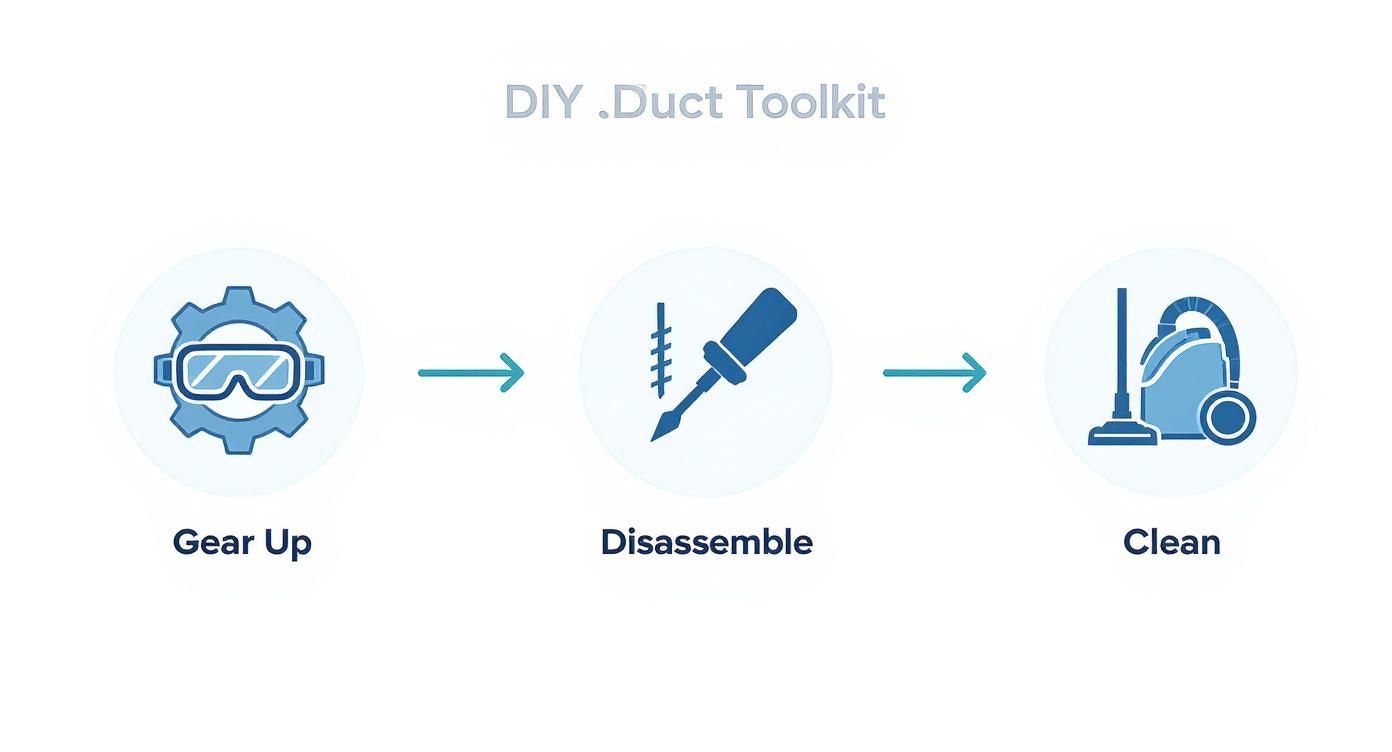
This visual is a great little roadmap. It breaks down the job into three simple phases: gearing up, getting the vents off, and the actual cleaning. Following this sequence keeps things efficient and safe from start to finish.
Power Down for Safety
Before you touch a single screw, the very first thing you have to do is shut down your HVAC system completely. This isn't just a friendly tip—it's the most important safety rule of the entire project. You need to be 100% sure the system can't kick on while you're working.
First, head to your thermostat. Turn the system completely off. That means both heating and cooling. Double-check that the fan setting is on "auto" or "off," definitely not "on."
Next, and this is crucial, find your home’s main electrical panel (your breaker box). Locate the breaker for your furnace or air handler and flip it to the off position. If the labels are a mystery, you might have to shut off the main power, but finding the specific breaker is ideal. This step is what prevents electrical shocks and stops the fan from blasting dust everywhere the second you start cleaning.
Handling Vents and Registers
With the power safely off, you can get to the hands-on part. Make your way through the house, room by room, and remove all the vent covers (also called registers). Use your screwdriver or cordless drill to take out the screws. Pro tip: keep them in a small magnetic bowl so they don't get lost.
As you pull each cover off, you’ll probably find a lovely collection of dust, pet hair, and other gunk caked onto the grilles. Take them outside or to a utility sink for a good scrubbing. Some warm, soapy water and a stiff-bristled brush will usually make them look brand new again.
This is your first real look inside the system. Pause and inspect the duct opening. If you see any moisture, dark fuzzy spots that look like mold, or notice that the duct material itself is crumbling or torn, stop. Those are huge red flags that mean it's time to call a professional.
The Cleaning Technique
Now it's time for your shop vacuum and brush kit to shine. The technique is a one-two punch: loosen the debris with the brush and immediately suck it up with the vacuum before it has a chance to go airborne. This combo is essential for actually cleaning air conditioning ducts instead of just rearranging the dust.
Start at the duct opening closest to your HVAC unit and work your way out to the farthest vents. This systematic path helps contain the mess.
- Lead with the Vacuum: Stick the shop vac hose as far as you can comfortably get it into the duct from the vent opening.
- Scrub with the Brush: With the vacuum running, feed your flexible duct brush into the same opening. Gently scrub the inside walls of the duct to knock loose all the clinging dust. The vacuum’s suction will pull it right out.
- Work in Sections: Don't try to tackle the whole duct run at once. Work the brush back and forth in a small, manageable section, then pull both tools out. Repeat the process, trying to reach a little deeper each time.
You won't get to every inch of the system this way, but you can clean the first several feet of each duct—which is where the heaviest, most accessible buildup usually lives.
Critical Points to Watch For
As you're cleaning, be an inspector. Keep your eyes peeled for anything that doesn't look right, as this is your chance to spot problems that are normally hidden.
- Pest Droppings or Nests: Finding signs of rodents or insects is a bigger issue than dust. You'll need to call a pest control service before you do anything else.
- Excessive Debris: If you’re pulling out big chunks of insulation, drywall dust, or other construction junk, it could point to a leak or damage somewhere down the line.
- Dampness or Water Stains: Moisture is never a good sign in ductwork. It's a breeding ground for mold and mildew and signals a leak or condensation problem that a simple cleaning can't solve.
As more people focus on indoor air quality, duct cleaning has become a much more common home maintenance task. The push for better air, driven by health concerns over allergens and respiratory issues, is a major reason these services are growing worldwide. You can learn more about the market trends in HVAC cleaning on factmr.com.
Once you've cleaned every vent you can reach and all your registers are washed, make sure the registers are bone dry before you screw them back in. The final steps? Restore power at the breaker box, turn your HVAC system back on, and pop in that brand-new filter you bought. This last part is key to keeping your freshly cleaned ducts cleaner for longer.
Knowing When to Call in the Professionals
While there’s a real satisfaction in tackling home maintenance yourself, a smart homeowner knows their limits. There’s a point where a weekend project turns into a job that needs specialized skills and serious equipment. If you cross that line, you risk doing more harm than good—potentially damaging your HVAC system or, ironically, making your home’s air quality worse.
Figuring out when to put down the shop vac and pick up the phone is a key part of responsible cleaning air conditioning ducts. Let's be honest, some situations are just too much for consumer-grade tools to handle safely or effectively.
Red Flags That Demand a Professional
Some things you might find during an inspection are immediate stop signs. These aren't just minor hiccups; they point to bigger problems that need an expert eye.
If you run into any of these, it's time to call for backup:
- You Suspect Mold: See any black or greenish patches? Smell a musty odor that just won't quit? Don't touch it. Trying to clean mold yourself can send spores airborne, spreading the contamination all over your house. A pro has the right gear and training for safe containment and removal.
- Signs of a Pest Infestation: Finding droppings, nests, or dead rodents in your ductwork is more than just gross—it's a serious health risk. Professionals can sanitize the entire system to eliminate contaminants after a pest control expert has evicted your unwanted guests.
- Damaged or Fragile Ducts: Maybe you noticed your flexible ducts are brittle, torn, or have become disconnected. Pushing a brush through there could easily tear them wide open, leading to massive air leaks and a huge drop in your system's efficiency.
A professional duct cleaning isn't just about sucking out dust. It’s a full system health check. Technicians are trained to spot hidden issues, like small leaks or failing parts, that a homeowner would almost certainly miss.
The Professional Equipment Advantage
Your shop vacuum and brush kit are great for the first few feet of a duct run, but professional services bring a whole different level of technology to the table. Their equipment is designed to deep clean the entire maze of your ductwork, from the vent cover all the way back to the air handler.
The real game-changer is the powerful negative air machine. This isn't your average vacuum. It creates immense suction throughout the entire duct system. As technicians use other tools to knock debris loose, this powerful vacuum ensures all that dust, dander, and gunk is pulled directly out of your home and into a sealed collection unit. Nothing gets blown back into your living space.
They also come armed with tools like:
- High-Powered Rotary Brushes: These are attached to long, flexible cables that can navigate sharp corners and scrub every inch of the duct's interior.
- Air Whips: These specialized tools blast compressed air in all directions, dislodging stubborn dirt from cracks and crevices that brushes can’t even touch.
DIY vs Professional Duct Cleaning: When to Choose Which
So, how do you decide? Sometimes a quick DIY touch-up is all you need. Other times, calling in the pros is non-negotiable. This table should help you figure out the best move for your situation.
| Situation | Recommended DIY Action | When to Hire a Professional |
|---|---|---|
| Routine Maintenance | Annually clean vent covers and the first few feet of ductwork with a vacuum and brush. | Every 3-5 years for a deep, full-system cleaning, or if you've never had one done. |
| Noticeable Dust | You see a light layer of dust coming from vents or settling on surfaces faster than usual. | An excessive amount of dust and debris blows out when the system kicks on. |
| Allergies & Odors | You're trying to reduce common allergens like pet dander or seasonal pollen. | You smell a persistent musty or foul odor that suggests mold or pests. Do not disturb it. |
| Post-Renovation | You’ve just finished a small project (e.g., painting a room) and want to clear minor dust. | After a major renovation or new construction, where drywall dust and debris are widespread. |
| Visible Debris | You can see small bits of dust or debris just inside the vent opening. | You spot signs of mold, rodent droppings, or damaged ductwork. Stop immediately. |
Ultimately, if you're ever in doubt, calling a professional is the safest bet. It's better to get an expert opinion than to risk damaging your system or compromising your home's air.
How to Hire a Reputable Company
Choosing the right pro is everything. The industry, unfortunately, has its share of scammers, so you need to do a little homework. When a job is beyond your skill level, it's always smart to consult local trades for professional assistance to make sure it's done right.
When you're checking out companies, look for a NADCA certification. The National Air Duct Cleaners Association sets the gold standard for HVAC cleaning. A certified pro follows a strict code of ethics and cleaning methods.
Be on the lookout for red flags. An unbelievably cheap price, like a "$99 whole-house special," is almost always a bait-and-switch. The same goes for high-pressure sales tactics or scary claims about "toxic mold" they haven't tested for.
If you're looking for a trustworthy local option, our guide on finding the best duct cleaning services near me can walk you through the right questions to ask. Think of it this way: investing in a qualified professional is an investment in your home's health and your own peace of mind.
Common Questions About Air Duct Cleaning
Even after you've decided to tackle your ductwork, it's natural to have a few questions lingering. Are you making the right call? Is there something you're missing? Let's clear the air and answer some of the most common things homeowners ask about cleaning their air conditioning ducts.
Think of this as your final gut check. We’ll bust a few myths and give you the straightforward info you need to feel confident about improving your home's air quality.
How Often Should I Clean My Air Ducts?
There's no magic number that fits every single home, but the general rule of thumb is to have your ducts professionally cleaned every 3 to 5 years. But honestly, that's just a starting point. Your specific situation is what really dictates the schedule.
You might want to clean them more often if:
- You have pets. Fur and dander are notorious for building up in ductwork. More frequent cleanings help keep those allergens from constantly circulating through your home.
- Someone in the house has allergies or asthma. For anyone sensitive to airborne triggers, clean ducts can make a world of difference.
- You've recently renovated. Construction, big or small, kicks up a ton of fine dust that your HVAC system inevitably inhales. A post-reno cleaning is always a smart move.
The best advice is simply to pay attention. Look at your vent covers. Are they dusty? When you change your HVAC filter, is it getting clogged faster than it used to? That's a huge clue that your ducts are holding onto a lot of debris.
Can Clean Ducts Actually Improve My Health?
For a lot of people, the answer is a definite yes. It's easy to forget that your ductwork can become a hidden reservoir for things you don't want to breathe: dust mites, pollen, pet dander, mold spores, and other irritants.
Every time your AC or heater kicks on, it blasts those particles all over your house. By cleaning air conditioning ducts, you remove those contaminants at the source, which can dramatically lower their concentration in the air you breathe. It's not a magic cure, but it's a fundamental part of creating a healthier indoor space—especially for kids, the elderly, or anyone with respiratory sensitivities.
The American Lung Association points out that proper HVAC maintenance is a key step in improving indoor air quality. That directly speaks to the health benefits of keeping your ducts clean.
Is Professional Air Duct Cleaning Really Worth It?
If you want a truly deep, effective clean, then yes, hiring a professional is absolutely worth it. What you can do yourself is great for surface-level maintenance, but it just can't match what the pros bring to the job.
Professionals use powerful, specialized gear—like high-powered vacuums and negative air machines—that create incredible suction throughout your entire system. This ensures that once debris is knocked loose, it’s actually captured and removed from your home, not just pushed further down the line. This is crucial if you have a large home, a complex duct system, or suspect mold, which needs to be handled very carefully.
Think of it like this: a DIY cleaning is like wiping down your kitchen counters. A professional service is like a deep spring cleaning for your entire HVAC system. It's an investment in your family's health and the long-term efficiency of one of your home's most vital appliances.
What Are the Biggest DIY Duct Cleaning Mistakes?
The most common—and costly—mistake is accidentally damaging the ductwork. It's so easy to use a brush that's too stiff or a vacuum with too much power, which can tear or puncture fragile flex ducts. Even a small hole can cause major air leaks, wasting energy and money.
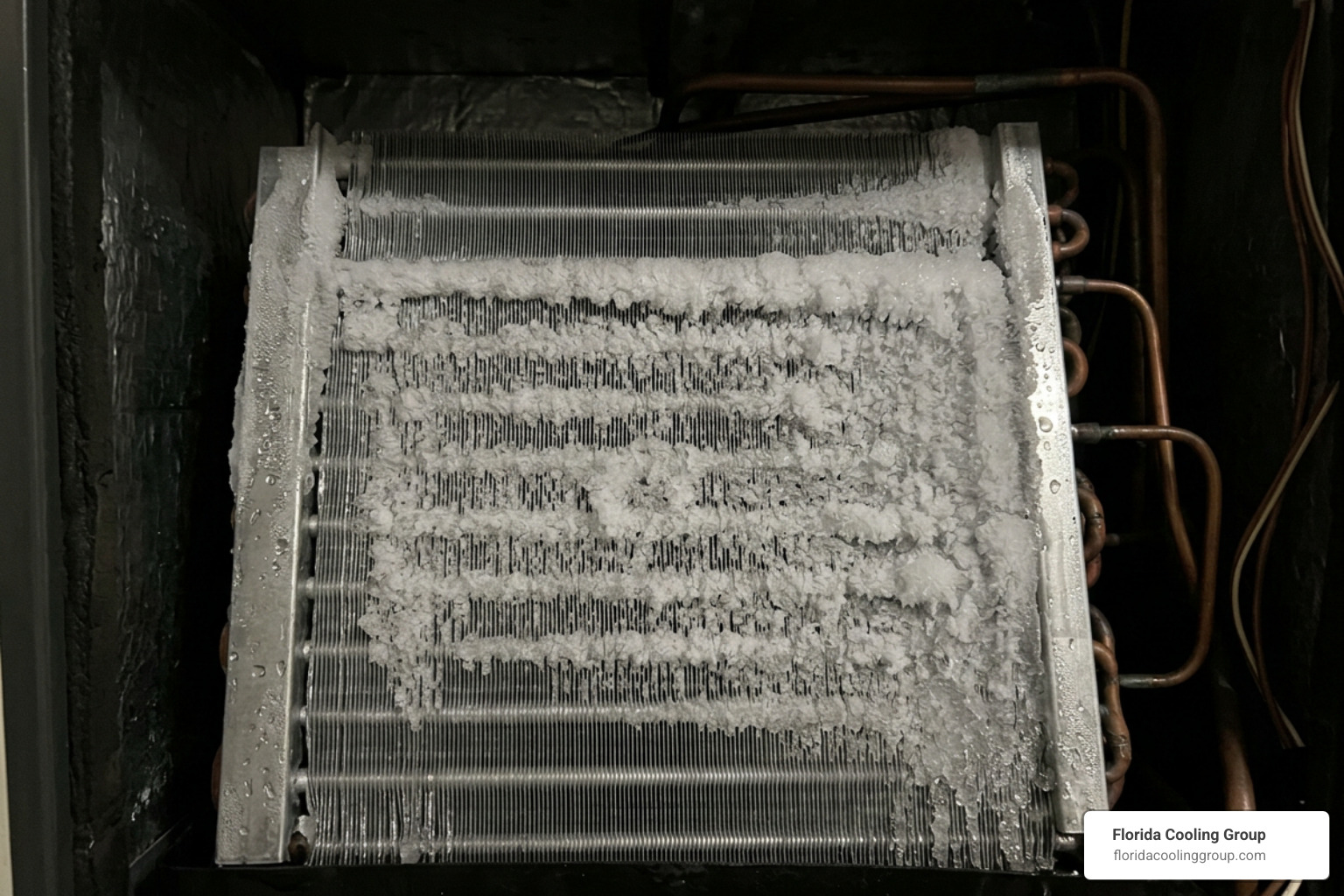
Another classic error is not sealing off all the other vents in the house while you work on one. If you forget, you'll just blow all that loosened dust and debris right out into other rooms, creating a massive mess. People also frequently forget to clean the HVAC blower fan and evaporator coils, which are usually caked in grime and are a huge part of the problem.
But the most critical mistake is forgetting to kill the power to the HVAC unit at the circuit breaker before you start. This is non-negotiable. It's the only way to protect yourself from serious electrical shock and prevent the system from kicking on while you're working.
At Florida Cooling Group, we believe in giving you clear answers and professional service you can count on. If you're on the fence about whether your ducts need a pro's touch, contact us for an expert evaluation and make sure the air in your home is as clean as it can be.

Charlie Hadida is a senior HVAC technician and the SEO lead at Florida Cooling Group, with years of real-world experience diagnosing, repairing, and installing residential and commercial HVAC systems throughout Palm Beach and Broward County.
Unlike generic marketing content, Charlie’s work is grounded in on-site service experience — from troubleshooting electrical and airflow issues to overseeing full system replacements, crane lifts, and code-compliant installations. His technical background allows him to translate complex HVAC concepts into clear, accurate, and helpful information for homeowners, property managers, and business owners.
In addition to working in the field, Charlie leads Florida Cooling Group’s SEO and content strategy, ensuring that all service pages, guides, and educational resources reflect real conditions technicians encounter every day. This includes topics such as AC repair, preventive maintenance, system replacements, energy efficiency, permitting requirements, and South Florida–specific climate challenges.
Charlie plays an active role in shaping Florida Cooling Group’s service standards, maintenance programs, and long-term customer education efforts. His combined technical and SEO expertise helps bridge the gap between what customers search for online and what actually matters when servicing HVAC systems in Florida’s demanding environment.
Licensed HVAC Technician (Florida)
Residential & commercial HVAC experience
Hands-on system diagnostics, repairs, and installations
Experience with rooftop units, split systems, and package units
Local experience serving Palm Beach & Broward County
Areas of Expertise:
AC Repair & Troubleshooting
Preventive Maintenance & Service Agreements
HVAC System Replacements & Change-Outs
Commercial HVAC Systems
South Florida HVAC Codes & Permitting